

Rockwell Automation 1492-P4Q-WIEC Feed-Through Push-in Terminal Block
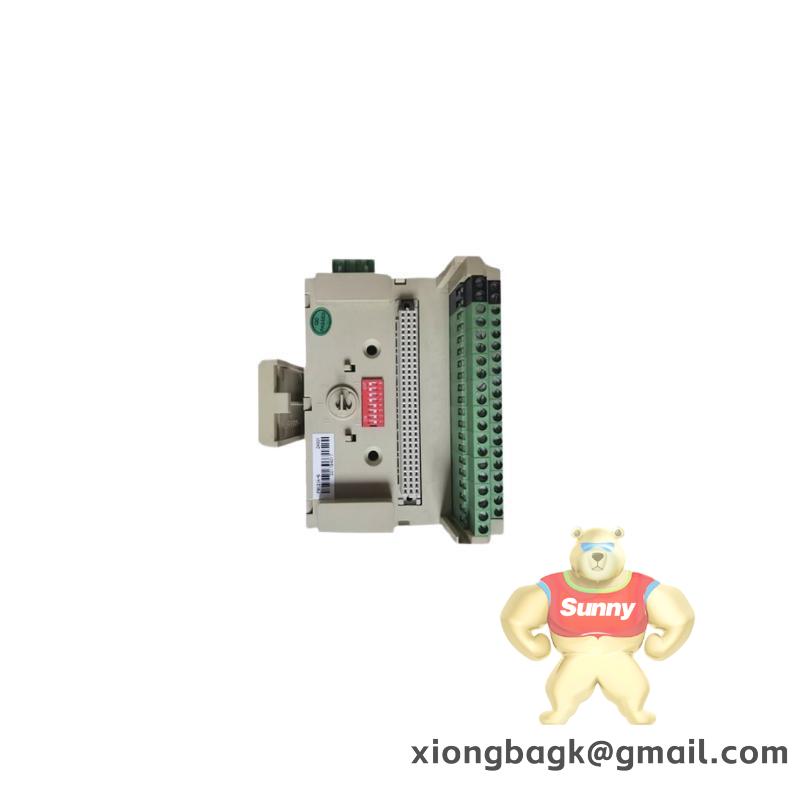
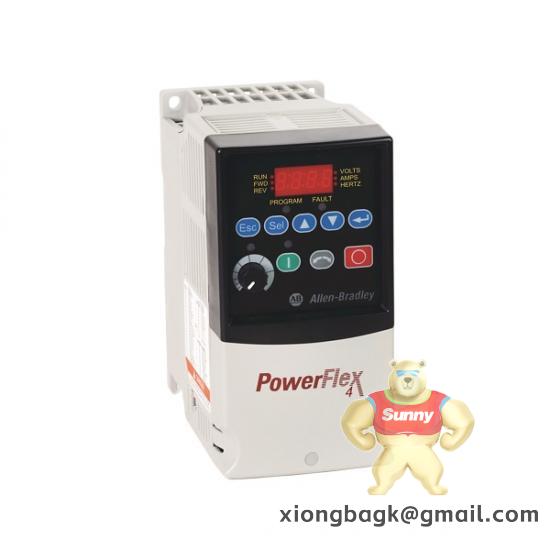
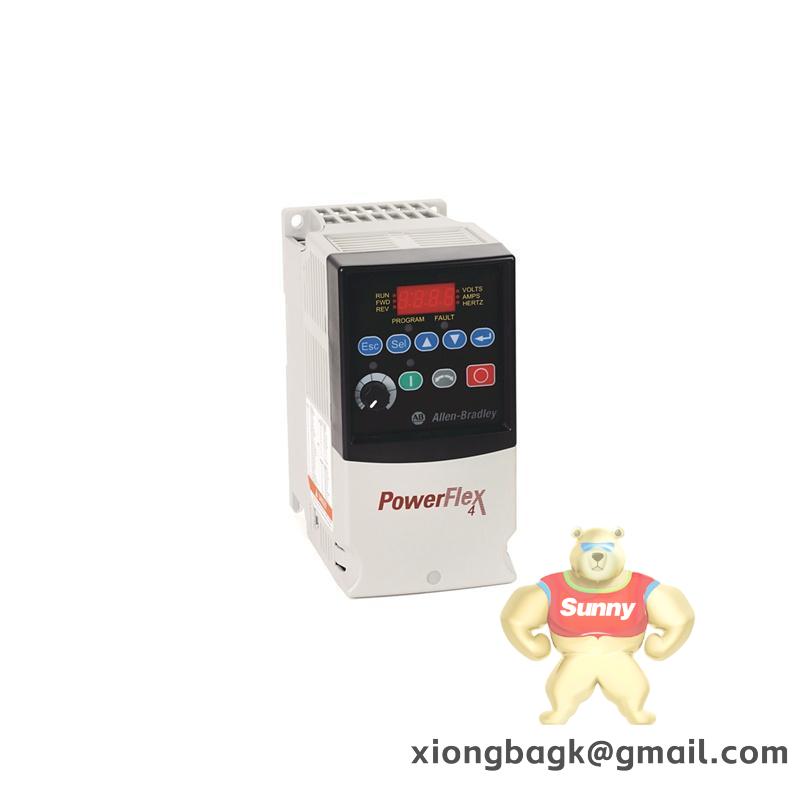
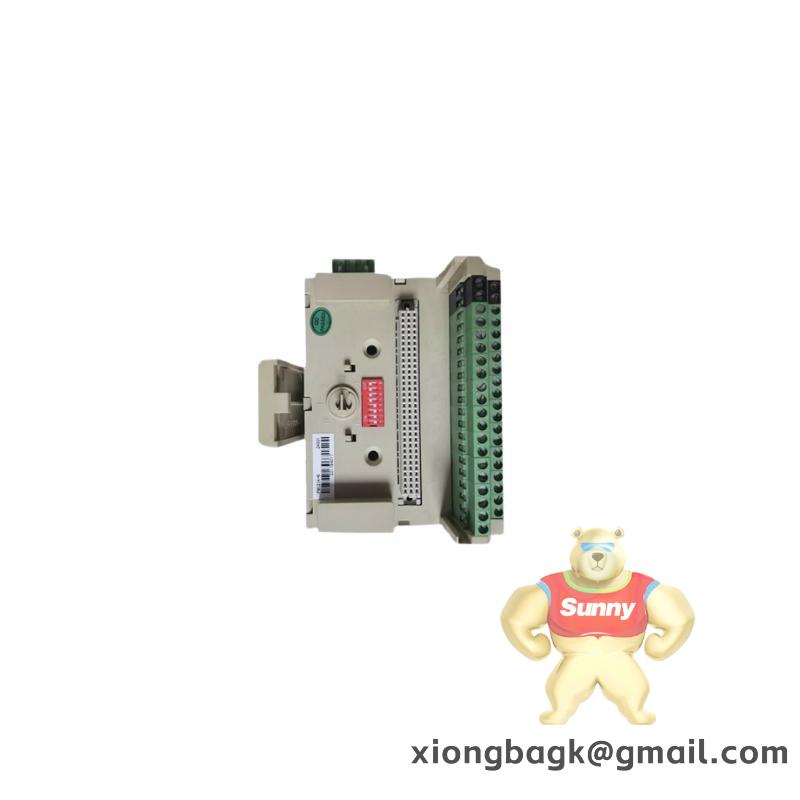
The Rockwell Automation 1492-P4Q-WIEC Feed-Through Push-in Terminal Block is designed for industrial control systems where reliable connections and efficient wiring are critical. This terminal block facilitates easy and secure connections for push-in wires, enhancing the operational efficiency of your automation systems.
Brand:Allen Bradley
Model:1492-P4Q-WIEC
Connection Type:Feed-Through Push-in
Number of Terminals:4
Current Rating:Up to 15A
Voltage Rating:Up to 600V
Material:High-grade Brass
Operating Temperature Range:-40°C to +70°C
Mounting:Panel Mounting
Certifications:CE, UL, RoHS Compliant
The Rockwell Automation 1492-P4Q-WIEC Feed-Through Push-in Terminal Block is crafted from high-grade brass and tin-plated copper to provide exceptional durability and conductivity. It simplifies the wiring process by enabling push-in connections, eliminating the need for tools, which enhances efficiency in installation and maintenance.
Designed for industrial environments, this terminal block supports a wide range of wire gauges from 16-26 AWG, accommodating various applications within control systems. With a current rating up to 20A and a voltage rating of 300V, it ensures reliable performance under demanding conditions.
Its robust construction allows for operation over a broad temperature range, from -40°C to +85°C, making it suitable for use in diverse climates and environments. Additionally, it is certified to meet international standards such as CE, UL, and RoHS, ensuring compliance with regulatory requirements.
Installation of the 1492-P4Q-WIEC is straightforward, requiring no specialized tools, and its compact design minimizes space requirements in control panels. This feature is especially beneficial for applications where space optimization is critical.
Rockwell Automation’s commitment to quality is evident in the meticulous design and manufacturing processes of this terminal block. Its feed-through configuration allows for seamless connection between different components, streamlining system integration and reducing the risk of errors.


There are no reviews yet.